Blackwater, lake time, and sandflies at dusk. The insider’s guide to packing for a lake day in Guyana.
A lake day in Guyana is not like a beach day elsewhere. It is laid-back, tropical, and unpredictable in the best way. Here is what to bring and what to leave behind.
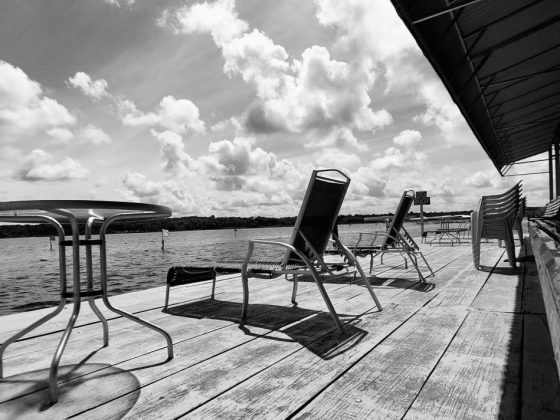
Lake days in Guyana are not like beach days anywhere else in the world. It is beautifully laid‑back, deeply tropical, rustic in all the right ways, and unpredictable in the best possible sense. You will not find rows of commercial lounge chairs, curated beach clubs, or turquoise seawater. Instead, you step into expanses of mirror‑still blackwater, long lines of forest, and a slow, unhurried rhythm that forces you to let go.
Because the infrastructure around Guyana’s freshwater lakes is intentionally minimal, showing up unprepared can turn a dream afternoon into a logistical headache. Whether you are heading to Mainstay Lake or another blackwater spot along the Essequibo Coast, the same logic applies: pack light, prioritize utility, stay comfortable, and order your food the moment your feet touch the sand.
This guide breaks down exactly what to bring, how to pack it, and what to leave behind.

1. Swimwear You Can Move In
A Guyanese lake day is active. You will be wading into the water, climbing in and out of wooden boats, balancing on docks, or stretching across low‑hanging tree branches. Choose swimwear that stays firmly in place and dries quickly. Synthetic fabrics are your friend.
When it comes to drying off, skip the thick cotton towels. They absorb too much water, take hours to dry in the humidity, and weigh down your bag. A lightweight microfiber towel or a quick‑dry sarong is ideal. A sarong dries in minutes, doubles as a cover‑up, and takes up almost no space.
The Golden Swimwear Rule: Leave your white, cream, or pastel swimwear at home. Mainstay’s iconic tea‑coloured blackwater is rich in natural tannins from surrounding vegetation. It is pristine and therapeutic, but it acts like a natural dye. Light fabrics will stain or dull by the end of the day. Stick to blacks, dark jewel tones, or vibrant neons that can handle the plunge.
2. Light, Breathable Layers
The climate around Region Two’s lakes shifts between intense equatorial heat and sudden breezes. Pack a loose cotton cover‑up, an oversized linen shirt, or a lightweight T‑shirt to throw on between dips. These layers protect your shoulders from the midday blaze without trapping heat.
As the afternoon fades, your strategy must change completely.
The Dusk Protocol: The moment the sun dips behind the trees, the breeze disappears, and the sandflies (cabouras) emerge. They are tiny, nearly invisible, and their bites itch far worse than mosquitoes. Pack a long‑sleeved layer for the evening and a strong insect repellent. If you want to handle it like a local, bring a small bottle of baby oil. A light layer on your arms and ankles creates a slick barrier that keeps the sandflies from landing.
3. Footwear You Do Not Mind Getting Sandy
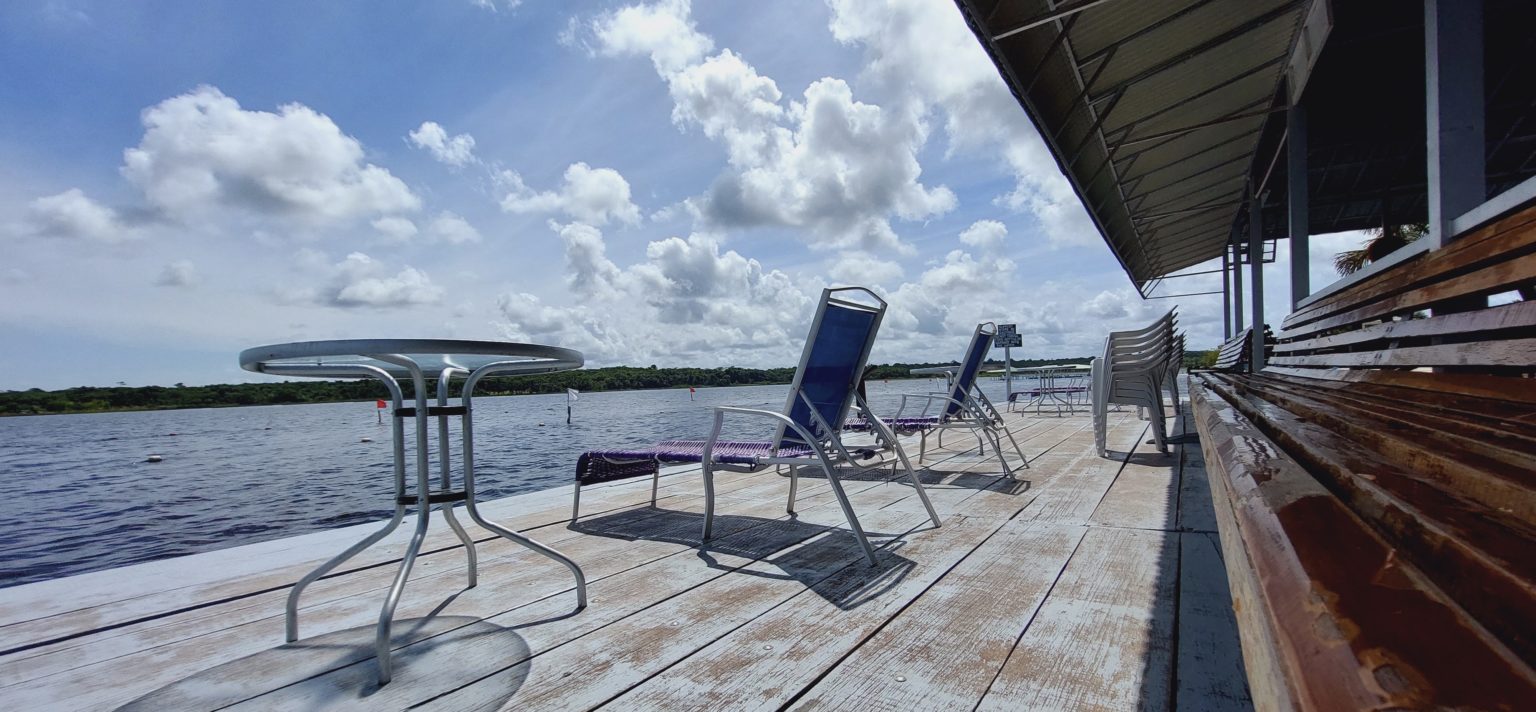
You will be barefoot most of the day, but you need the right footwear to get from the car to the water. The sand at Mainstay can become scorching hot by midday.
Flip‑flops, slides, or flat waterproof sandals work well for the day. They slip on and off easily and can handle water, sand, and heat.
Leave sneakers, socks, and anything suede or leather at home. There is nothing worse than trying to force a damp, sandy foot back into a tight shoe at the end of the day. And leave behind any footwear you would regret stepping into a sudden wave with.
4. Cash for Food — and Patience for the Wait
The lakeside kitchen at Mainstay operates on lake time. Dishes are cooked fresh, and weekend crowds create long surges. Wait times can stretch past two hours.
The golden rule: Order your food the moment you arrive. Do not wait until you are hungry.
Group ordering strategy: During peak hours, the kitchen often declines single‑serving custom orders of complex dishes to keep the line moving. If you are with a group, consolidate your order and be prepared to order multiples of the same dish.
The kitchen moves on lake time, and the wait can stretch well past an hour on busy weekends. What eventually arrives is worth it: generous portions, bold flavours, and the kind of comfort food that tastes even better after a long swim.
What to expect: The food is hearty, flavourful, and deeply satisfying after a long swim. When we visited Mainstay during our weekend in Essequibo, our patience was rewarded with:
- Garlic shrimp and veggie rice
- Curry shrimp
- BBQ chicken with plantain fries
- Fried rice dishes
- A classic burger and fries
The snack buffer: Bring plantain chips, nuts, crackers, or fruit. If you get hungry while waiting, no lake view will save your mood.
5. The Anatomy of the Perfect Lake Tote Bag
How you pack matters as much as what you pack. A lake day involves multiple modes of transport: open‑air speedboats with water spray, shared taxis, and sandy walkways. Your bag needs to be structured for all of it.
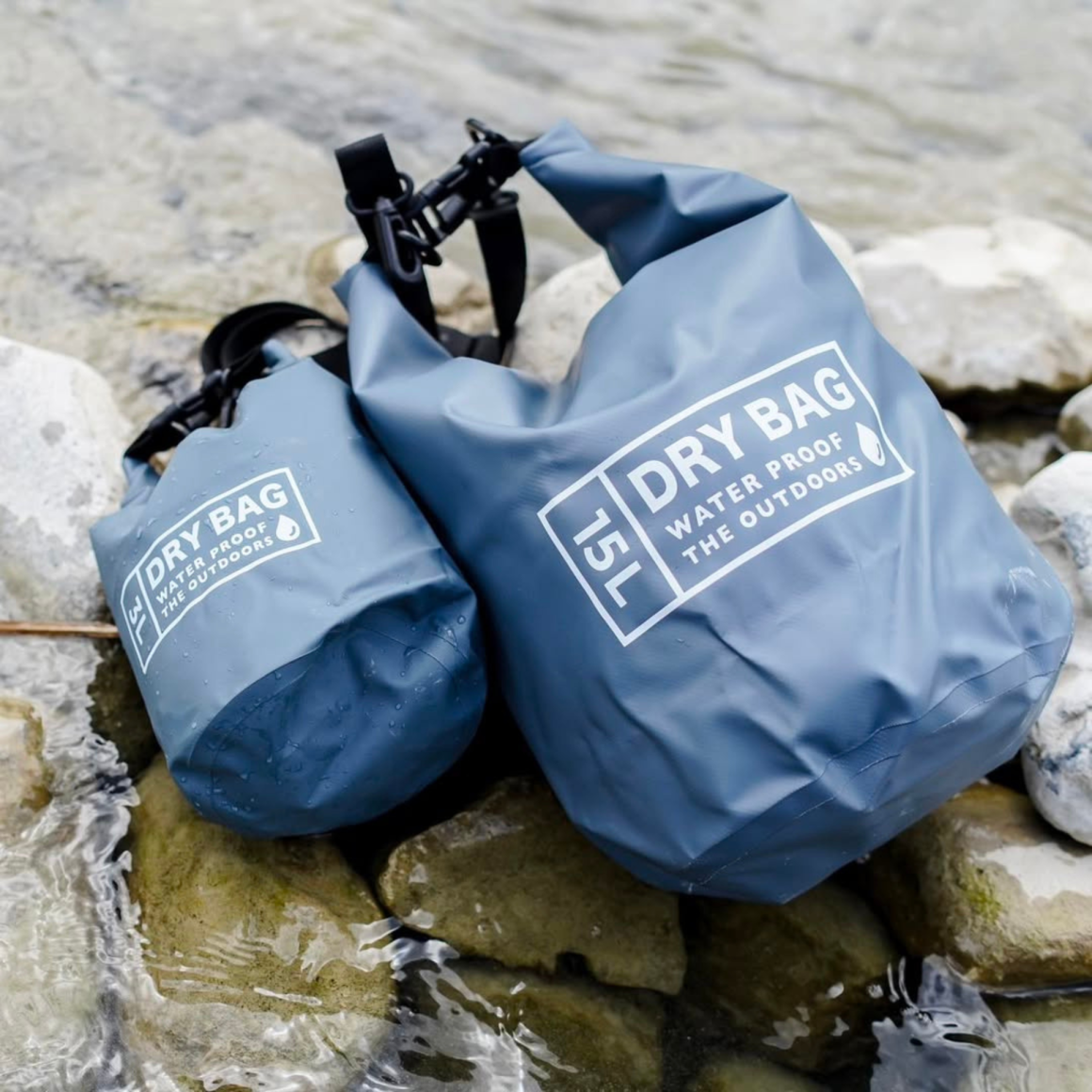
Choose the right tote: A canvas bag, mesh tote, or utility dry‑bag works best. Avoid structured leather handbags or designer totes. Sand, sunscreen, and water will ruin them.
The waterproof pouch: Pack a heavy‑duty Ziploc or a waterproof dry‑pouch. At the end of the day, your sarong and swimwear will be soaked. If you toss them loosely into your bag, the moisture will bleed into everything, including your phone, charger, and cash. Keep wet gear sealed and separate.
The insulated tumbler: The heat will turn a plastic water bottle lukewarm in minutes. An insulated stainless‑steel tumbler keeps water, juice, or greens cold from morning to sunset.
6. The Optionals That Are Actually Essential
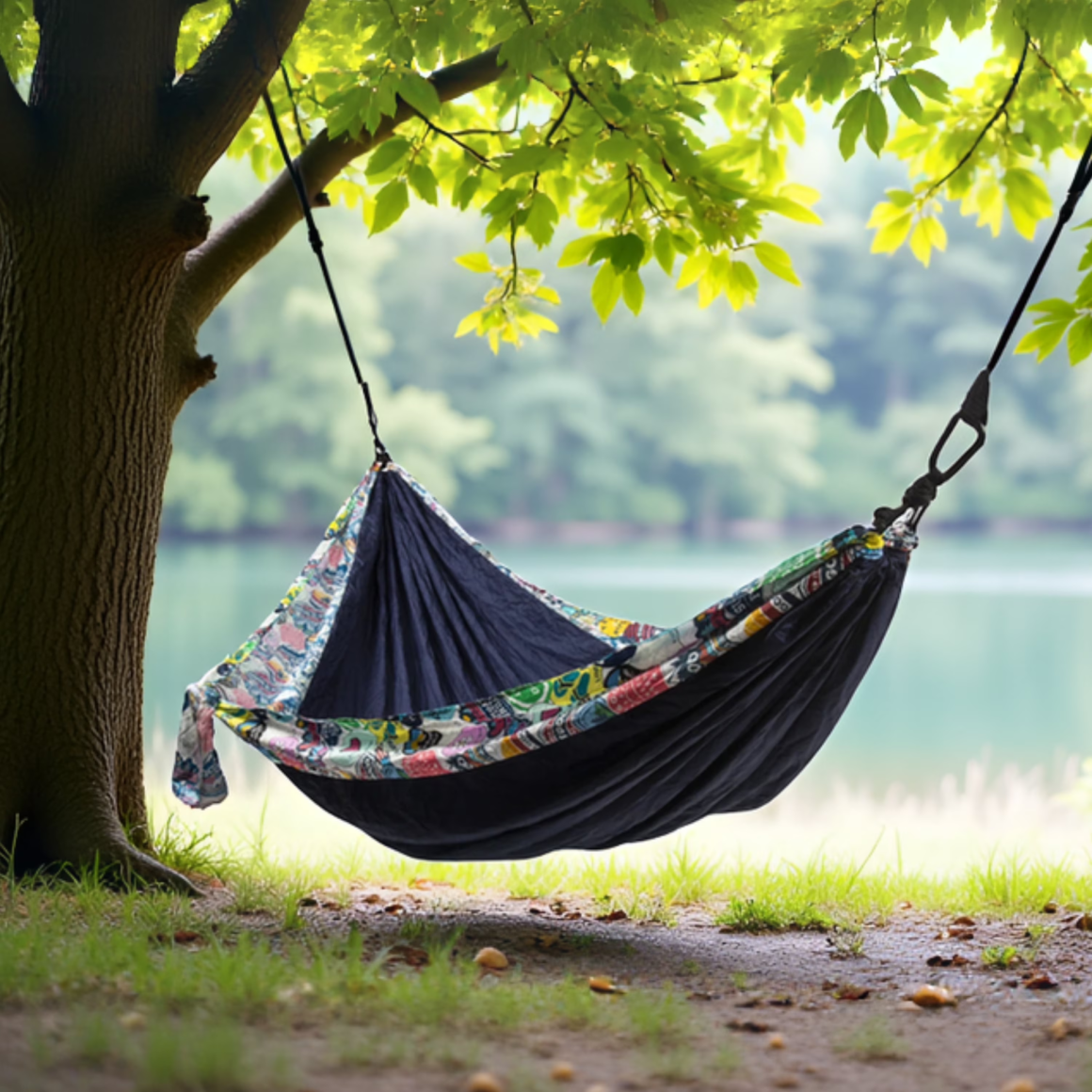
◆ A compact travel hammock: Many of the trees around Mainstay have perfect spacing or pre‑installed hooks. Locals always bring hammocks. It is the ideal shaded spot to nap, read, or wait out the food line.
◆ A portable charger: There are no outlets anywhere near the lake. Between photos, videos, and music, your battery will drain quickly.
◆ A Bluetooth speaker: Music is part of the culture. Keep the volume respectful.
◆ Sun protection kit: A wide‑brim hat or cap, polarized sunglasses, and high‑SPF sunscreen. Reapply after every swim.
◆ A book or journal: You may not read more than a page, but having it completes the slow‑day ritual.

7. Beyond Mainstay: Packing for Capoey and Mashabo
Mainstay is the most accessible lake in Region Two, but Capoey and Mashabo offer equally stunning blackwater experiences. Reaching them requires an additional fifteen to twenty‑minute boat ride from their internal landings to the Amerindian villages that steward them.
The boat ride to Capoey winds through forest-lined creeks before opening into the lake itself, broader and stiller than Mainstay. Wooden stelling structures at the Amerindian village landing carry generations of stewardship; the water reads slightly darker, the silence deeper.
Because you will be boarding a small passenger boat, compactness matters. Your tote must fit comfortably on your lap without taking up extra space or weighing down the craft. Keep your gear consolidated, zipped, and protected from splashes.
THE QUICK REFERENCE
◆ Dark or neon swimwear
◆ Lightweight sarong or microfiber towel
◆ Cotton cover‑ups and linen shirts
◆ Long‑sleeved layer for dusk
◆ Flip‑flops or waterproof sandals
◆ GYD cash
◆ Heavy snacks
◆ Sunscreen and sunglasses
◆ Strong insect repellent or baby oil
◆ Portable charger
◆ Insulated tumbler
◆ Sealed waterproof wet‑bag
◆ White or pastel swimwear
◆ Full face makeup
◆ Heavy handbags or designer totes
◆ Precious jewellery
◆ Sneakers and socks
◆ Credit cards
◆ Rigid travel timelines
◆ A lake day in Guyana is not about dressing up or curating an aesthetic. It is about letting go.
◆ Pack like you plan to stay all day, and like you will not need a mirror until tomorrow morning.
◆ Let the lake slow you down.
Heading to the Essequibo Coast for the first time? Start with 5 Essential Things to Know Before Visiting Essequibo, Guyana.